
Humanitarian
services

The world needs a well-equipped humanitarian system
RedR empowers individuals with the expertise, methods, approaches, and opportunities they need to maximise their impact, whatever their role in disaster relief. We help organisations unlock their capacity and fulfil their mandate, supporting them through their unique challenges through tailored learning solutions. We influence the sector developing standards and principles, as well as cross-sector partnerships.
Strengthening Humanitarian Response in Sudan
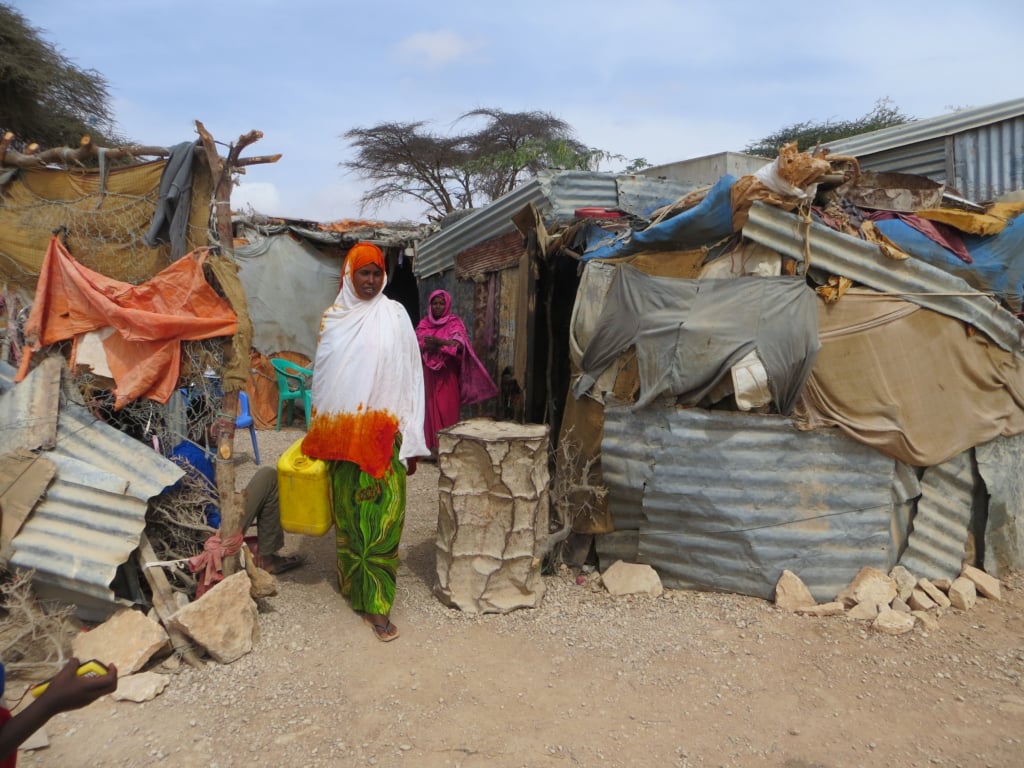
The DRC Digital Learning Academy
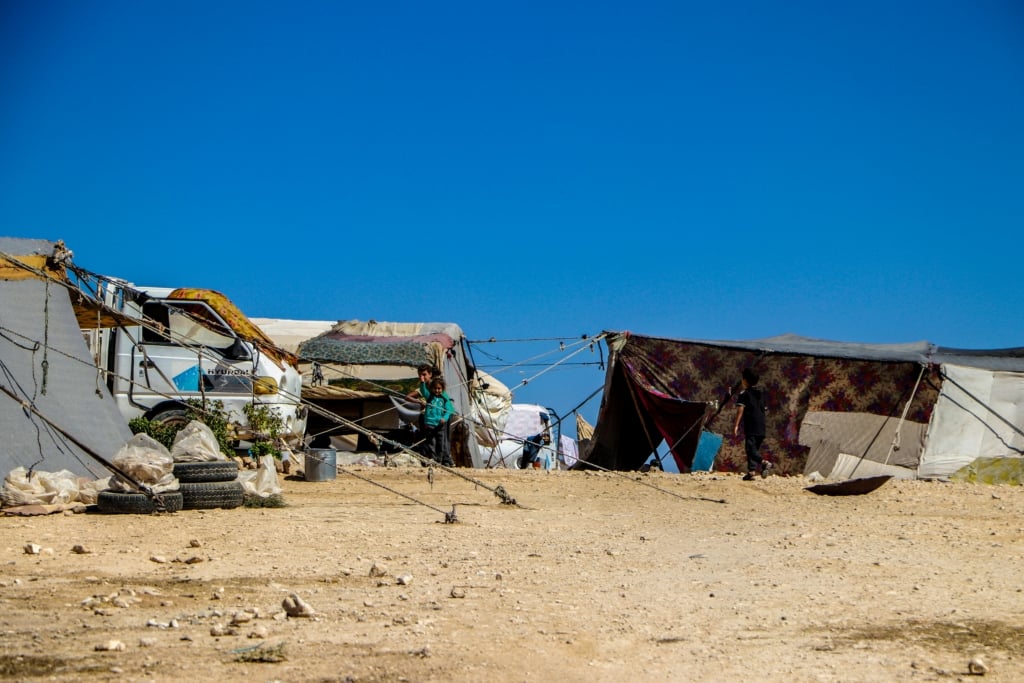
Artificial Intelligence for Humanitarians
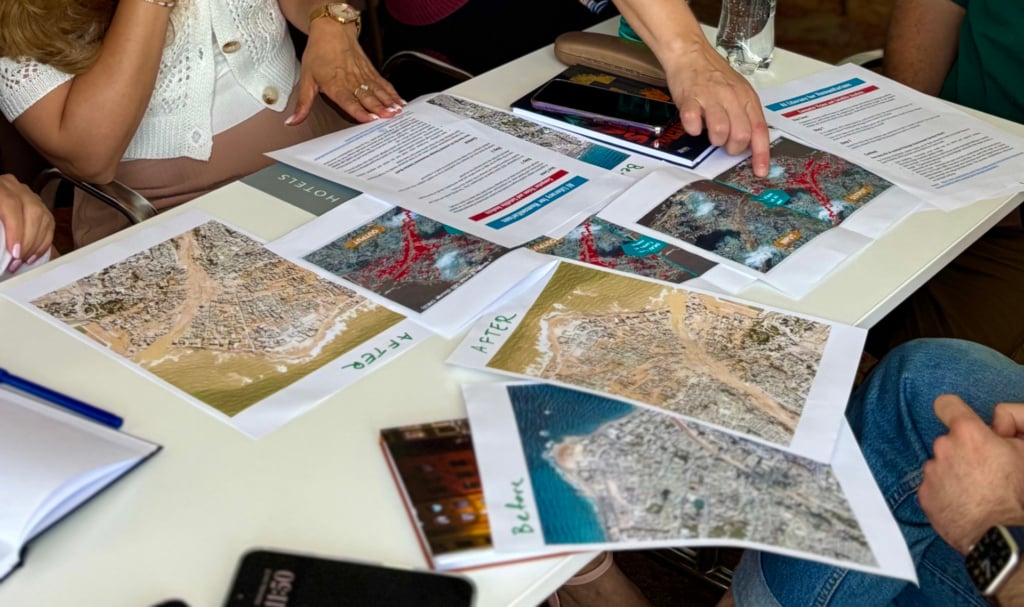
Resource Mobilisation Training for Local NGO Staff in Tanzania and Uganda
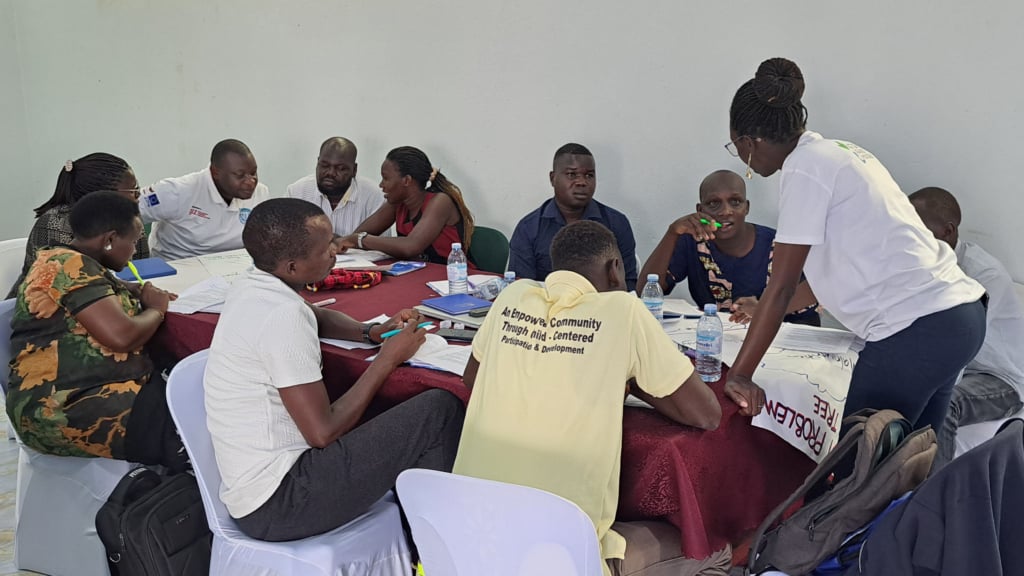
Other Projects
-

Training local responders to the war in Sudan
30 million people in Sudan need humanitarian assistance. We’re equipping local organisations in Sudan responding to the war in Sudan, the world’s worst humanitarian…
-

Strengthening Local Capacity in Mali
3.3 million people require urgent nutritional assistance. We’re strengthening the institutional capacities of national organisations in Mali to enhance their ability to…
-
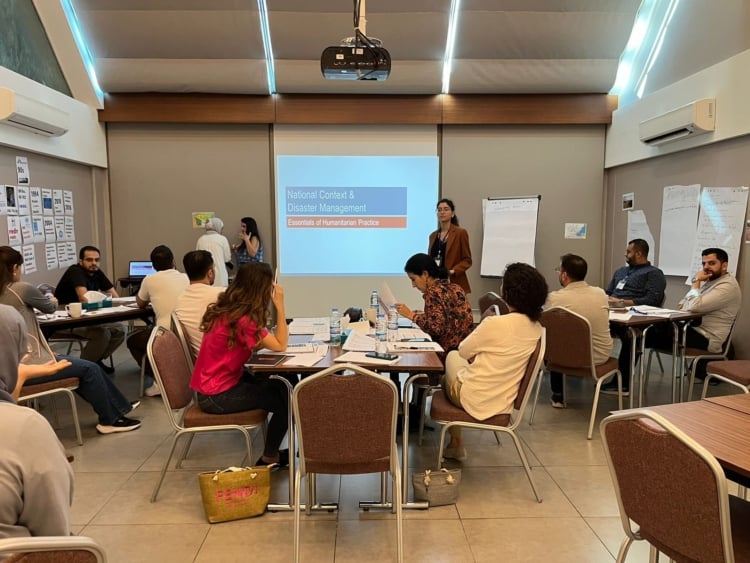
Learning Needs Assessment for Lebanon Crisis response
RedR conducted this in-depth and detailed Learning Needs Assessment to better inform the ongoing training response to the crisis in Lebanon.
-

Strengthening humanitarian data analysis capacity
RedR is offering free learning courses in humanitarian data analysis and decision-making. We’re building analytical capacity in the humanitarian sector through training.
-

Guidance Framework for cross cutting issues in WASH in Ukraine
This Cross Cutting Issue (CCI) Guidance Framework is a compilation of the key tools, resources and guidance that organisations can use to strengthen integration of CCIs…
-

Transforming WASH at sectoral level
We’re hosting the WASH Road Map Secretariat to lead this sector-wide reform initiative in the WASH sector.