We use cookies

Please note that on our website we use cookies to enhance your experience, and for analytics purposes. To learn more about our cookies, please read our Privacy policy. By clicking “Accept Cookies” or by continuing to use our website you agree to our use of cookies.

Strengthening Local NGOs’ capacity in Tanzania and Uganda
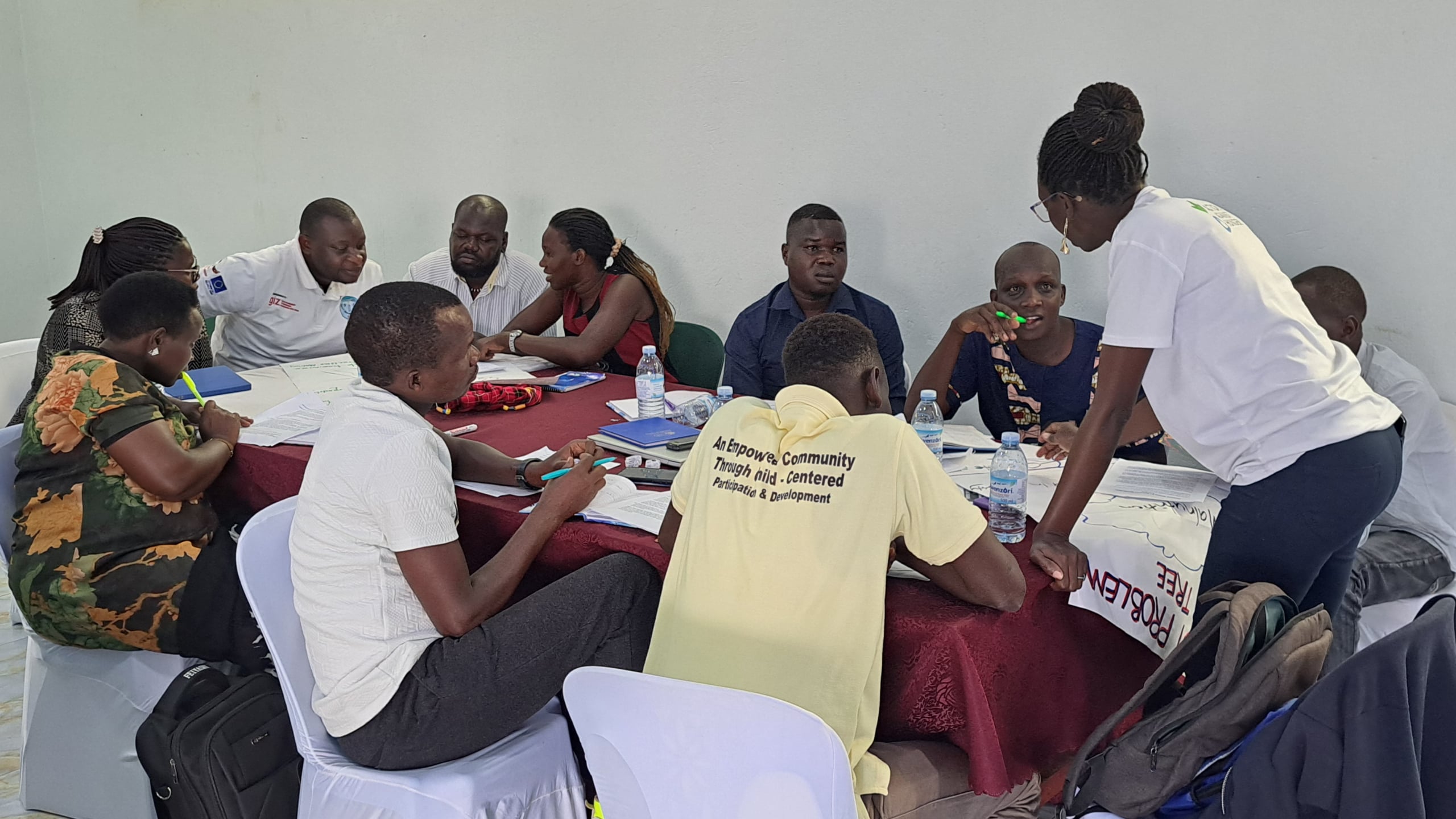
Targeted Training for Local NGO Staff in Tanzania and Uganda

Food insecurity in Uganda and Tanzania

Uganda faces significant food insecurity and malnutrition challenges despite strong agricultural potential. According to the World Food Programme, food insecurity in Uganda is classified as “serious,” with about 14.9 million Ugandans having insufficient food consumption. In Tanzania, poverty and nutrition remain deeply intertwined, especially for women and girls. The World Food Programme reports that roughly 27 percent of the population lives below the national poverty line, with an additional 8 percent in extreme poverty.


Gendered structural factors exacerbate these challenges: women and girls are at the heart of building lasting food security, yet limited access to nutritious food, health services, education, financial resources, and land ownership prevent women and girls from taking control of their nutrition, health, and futures.

  • 0

    of children under 5 are stunted in Tanzania

  • 0

    of children under 5 are stunted in Uganda

  • 0

    of food in rural Tanzania is produced by women

  • 0

    of food in rural Uganda is produced by women

Capacity strengthtening on Resource Mobilisation and Proposal Writing

Between November 2025 and May 2026, RedR delivered a capacity‑strengthening initiative focused on Proposal Writing and Resource Mobilisation (PWRM), combining in‑person training with tailored coaching support for local NGOs in Tanzania and Uganda. The programme formed part of the broader five-year GENTU initiative funded by Global Affairs Canada to improve nutrition outcomes for marginalised women, adolescent girls, and children in the 2 countries.


Local NGOs played a central role in the programme, reflecting their proximity to communities and deep understanding of local contexts. Strengthening their ability to compete for funding was essential in enabling more locally led, sustainable responses to food and nutrition challenges.

About the Project

RedR engaged partners early in the process through a Learning Needs Analysis conducted in both Uganda and Tanzania, which drew on focus group discussions, partner consultations, and contextual research to shape the programme design.


The project adopted a two-phase approach:


Phase 1 – Training: RedR delivered three-day, in-person PWRM trainings in Tanzania (10–12 February 2026) and Uganda (17–19 February 2026), using participatory, practice-based methods to guide participants through the full proposal development cycle.


Phase 2 – Coaching: This was followed by a three-month coaching component, providing tailored, organisation-specific support to help participants apply learning to real funding opportunities.


Across the programme, 38 participants from 9 local organisations took part in the trainings, developing practical skills in proposal writing, budgeting, Theory of Change, and donor engagement. The coaching phase delivered over 73 hours of tailored support across both countries, enabling partners to strengthen real proposals, refine internal systems, and engage more strategically with funding opportunities.


Results and Outcome

Participants reported high satisfaction with the training, with average course ratings consistently between 4.7 and 4.9 out of 5, reflecting strong relevance and applicability to their roles. The programme led to measurable improvements in knowledge, skills, and confidence in proposal development, alongside:


  • Stronger, more coherent proposal design and alignment between narrative, budgets, and logframes
  • Increased confidence to engage with donors and funding opportunities
  • Improved internal collaboration within organisations
  • More strategic approaches to resource mobilisation and donor selection
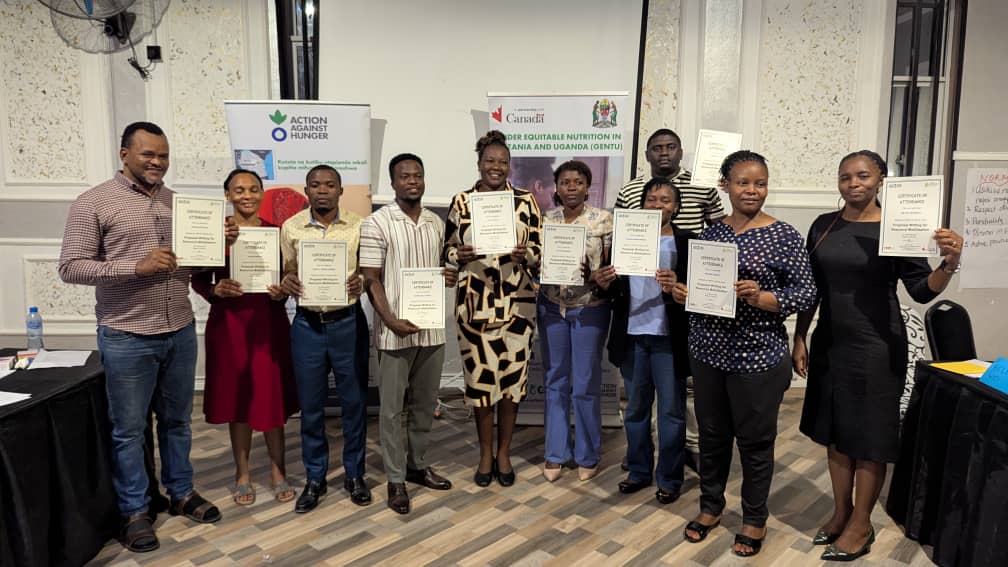
Through the combined training and coaching model, partners were able to apply learning directly to real proposals, contributing to more sustainable, locally driven capacity development. In Tanzania, this led to tangible results for Women Empowerment Initiatives (WEI), where the programme contributed to a strengthened fundraising approach and supported the organisation secure new funding to support girls at risk of leaving school.