Scaling Local Leadership: From Fragmentation to System-Wide Change
Bernadette Sexton
As the Global Partnerships Conference brings together governments, donors and humanitarian organisations, there is a clear opportunity to move beyond commitments on localisation and focus on how to deliver it at scale.
At RedR, we believe achieving locally led humanitarian action requires a fundamental shift: from fragmented, project-level localisation efforts to coordinated, system-wide approaches that transfer power, resources and decision-making to national and local actors.
What needs to change
1. Scale predictable, flexible, multi-year funding directly to local actors
Local leadership will not be realised while funding remains short-term, project-based, and routed through multiple intermediaries. To enable meaningful change, donors must:
- Expand multi-year, flexible funding mechanisms (including Country-Based Pooled Funds and similar instruments), ensuring equitable overheads for national partners
- Require implementing agencies to demonstrate genuine delegation of decision-making, not just “participation” by local organisations
Without these shifts, local actors will continue to operate within constraints that limit their leadership
2. Fund collective, country-level approaches rather than scattered pilots
Localisation efforts remain fragmented and too small to shift systems. Greater impact will come from investing in:
- National capacity ecosystems, including learning networks, surge pools and technical quality assurance bodies
- Consortia designed to be locally led, with international organisations playing a supporting or incubator role
This approach reduces duplication, builds institutional, not just individual, capacity, and creates viable pathways to scale.
3. Embed proportionate due diligence and shared risk across funding architectures
Risk allocation remains a significant barrier to localisation. Current approaches often transfer disproportionate risk to local actors, limiting access and trust.
A more enabling model requires:
- Proportionate due diligence requirements and the adoption of sector-wide passporting initiatives
- Risk-sharing frameworks that prevent responsibility being pushed downstream to local organisations
These reforms are essential to unlocking greater flows of funding to local actors at scale.
4. Invest in standards-based capacity strengthening as a core pillar of localisation
Local leadership cannot be achieved without sustained investment in high-quality, contextually relevant capacity strengthening. This includes:
- Adoption of recognised quality standards for humanitarian competencies, learning and technical capability (such as the HPass standards developed with partners including HLA, IFRC, Bioforce and Oxfam)
- Capacity strengthening that is co-designed with national partners, adapted to context, and delivered in the languages practitioners use
This ensures investments translate into long-term institutional resilience, rather than short-term, project-level skills gains.
In the Democratic Republic of Congo, RedR is working with CONAFOHD—representing more than 500 local and national NGOs—to deliver a Digital Humanitarian Academy. The platform provides modular, certified training pathways in French, Lingala and Congolese Swahili, functions offline for organisations in low-connectivity environments, and includes an AI assistant to support personalised learning.
Critically, certifications are linked to organisational profiles, enabling local NGOs to demonstrate their capabilities to donors in real time, addressing persistent barriers around visibility, access, and recognition.
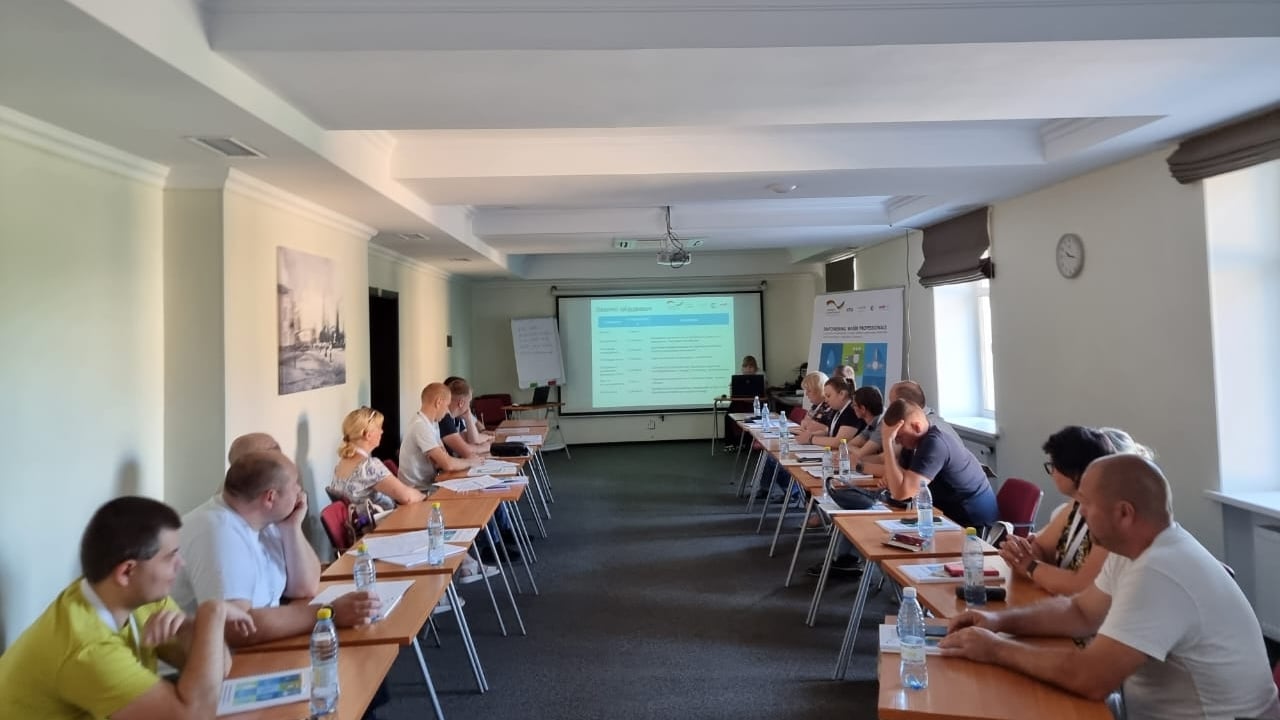
Similarly, in Ukraine, RedR has delivered in-person training to approximately 800 water utility professionals. Delivered in Ukrainian and tailored to operational realities, this work has strengthened the capacity of senior managers, engineers and operators to maintain essential services under pressure.
5. Support meaningful inclusion of local actors in global and national policy fora
Shifting funding alone is not sufficient; influence must also change. This requires:
- Facilitating direct engagement of local organisations at global convenings, including forums such as this Conference
- Embedding “people-first governance”, ensuring local leadership is reflected in planning, oversight and accountability structures
This is critical to ensuring localisation reshapes decision-making, not just delivery.
The role of INGOs in accelerating the shift
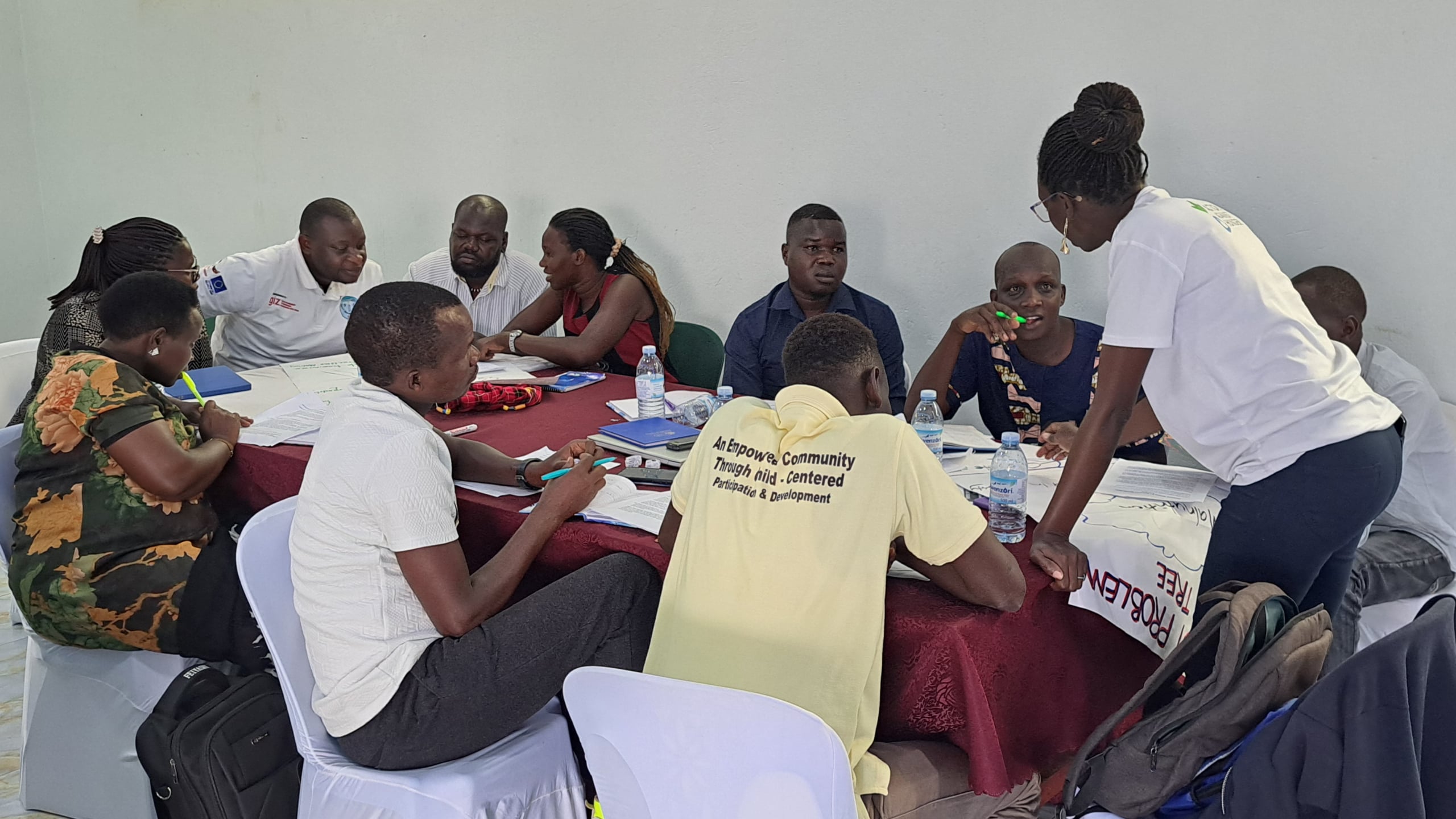
As an INGO focused on engineering humanitarian effectiveness, RedR recognises its responsibility to actively support this transition.
Our Commitments
Scale high-quality, standards-based capacity strengthening that enables system-wide change
RedR is committed to uniting globally recognised standards with deeply localised practice. We embed the HPass framework for humanitarian learning and competency assessment across our work, while tailoring delivery to local contexts and languages.
Developed through consultation with more than 400 organisations across over 60 countries, HPass reflects the realities of humanitarian work globally. It provides a shared benchmark that enables practitioners to build recognised, transferable competencies.
We will:
- Expand competency-based learning, assessment and credentialing for national actors, grounded in HPass standards
- Support locally led training ecosystems, including national partners, trainers and centres of excellence
- Ensure all programmes are co-designed, contextually relevant and delivered in appropriate languages
This strengthens the system, not just individual organisations.
Reinforce models that transfer power
RedR will:
- Prioritise local delivery models, investing in national experts and institutions
- Increase shared governance through co-led needs assessments, programme design and quality assurance systems
Promote fair and transparent partnership models
We commit to:
- Applying proportionate due diligence and contributing to sector-wide passporting initiatives
- Ensuring equitable overheads for local partners
- Avoiding subcontracting models that limit agency and influence
- Embedding risk-sharing approaches, rather than risk transfer
Support long-term resilience of local systems
RedR will strengthen the ability of local actors to sustain operations before, during and after crises by:
- Reinforcing organisational systems, including HR, MEAL, finance and preparedness
- Supporting interoperable competency and quality systems that enhance professional mobility and recognition
Share evidence on what works
We will continue to generate and share evidence on:
- The value for money of locally delivered, quality-assured learning
- The link between strengthened competencies and improved humanitarian performance
Conclusion
The Global Partnerships Conference presents an opportunity to focus on how a more effective humanitarian system can be delivered in practice.
Fragmented, project-based approaches do not create the conditions for sustained impact. What is required is investment in coherent systems, where funding, standards, capacity strengthening, accountability, and governance are aligned to support national and local actors to lead.