WASH Competency Framework for Low-resource Contexts
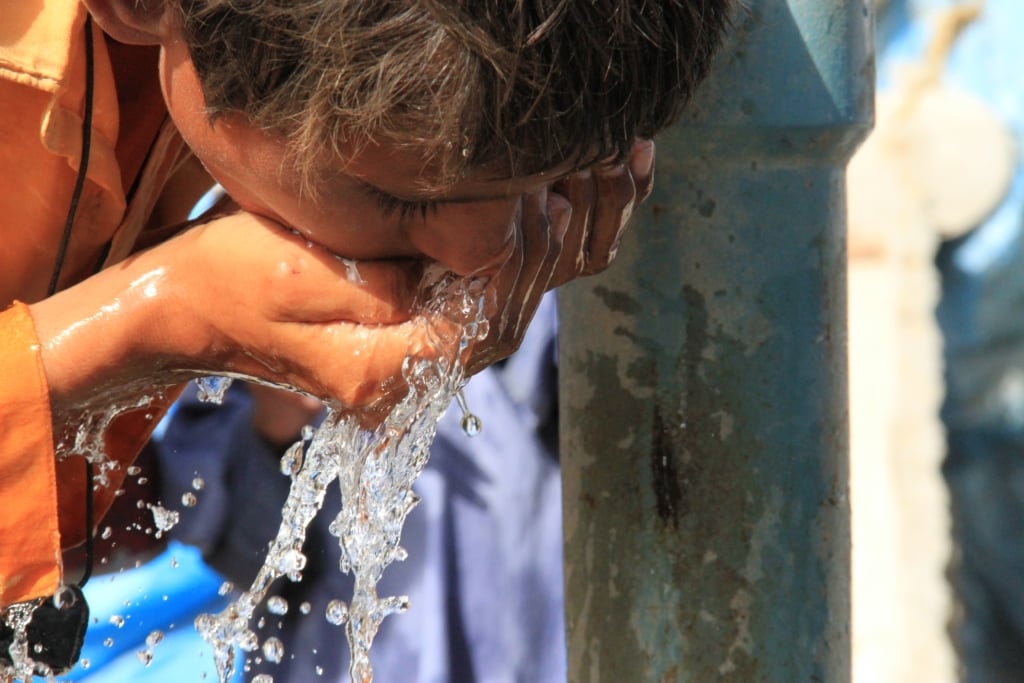
WASH Competency Framework for Low-Resource Contexts sets out the knowledge, skills, practices and behaviours required for WASH professionals to operate independently and effectively across diverse and resource-constrained environments.
Across the sector, partners have been working together to address a long-standing gap: the absence of a shared, practical definition of what WASH professionals need to know and be able to do.
Through this collective effort, the WASH Core Competency Framework for low-resource contexts was developed as part of the WASH Road Map. The framework aligns with recognised standards and defines a structured set of competencies across five key areas: understanding wider sector issues and developing strategies, planning, implementing and evaluating WASH interventions, ensuring safe and effective working practices, communication and professional ethics, and professional development and sector commitment. It reflects the realities of humanitarian WASH work in low-resource settings and has been tested with practitioners across different contexts. Supported by practical tools and guidance, this Competency Framework contributes to strengthening a more capable and accountable WASH workforce.
Why this Framework Matters
In low-resource settings, WASH professionals often take on broader responsibilities—leading projects from design through implementation—while responding to complex challenges such as:
- limited resources and technical capacity
- rapidly changing contexts (conflict, climate risks, disease outbreaks)
- increased accountability to affected populations and donors
This framework addresses these realities by defining minimum standards of competency, helping ensure that services are delivered safely, effectively, and professionally.