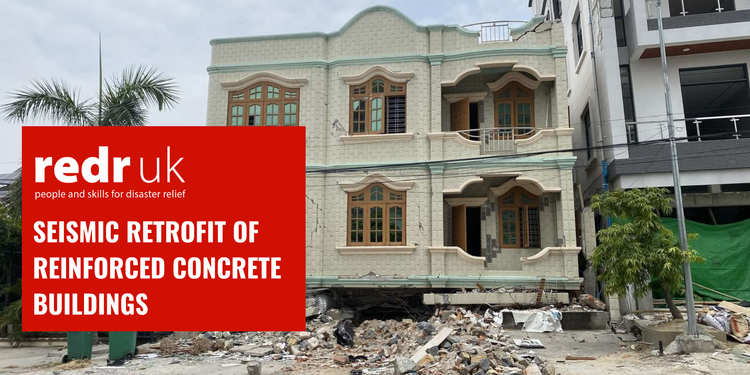
Myanmar Earthquake Response: Damage Assessment and Repairs Learning Needs Assessment
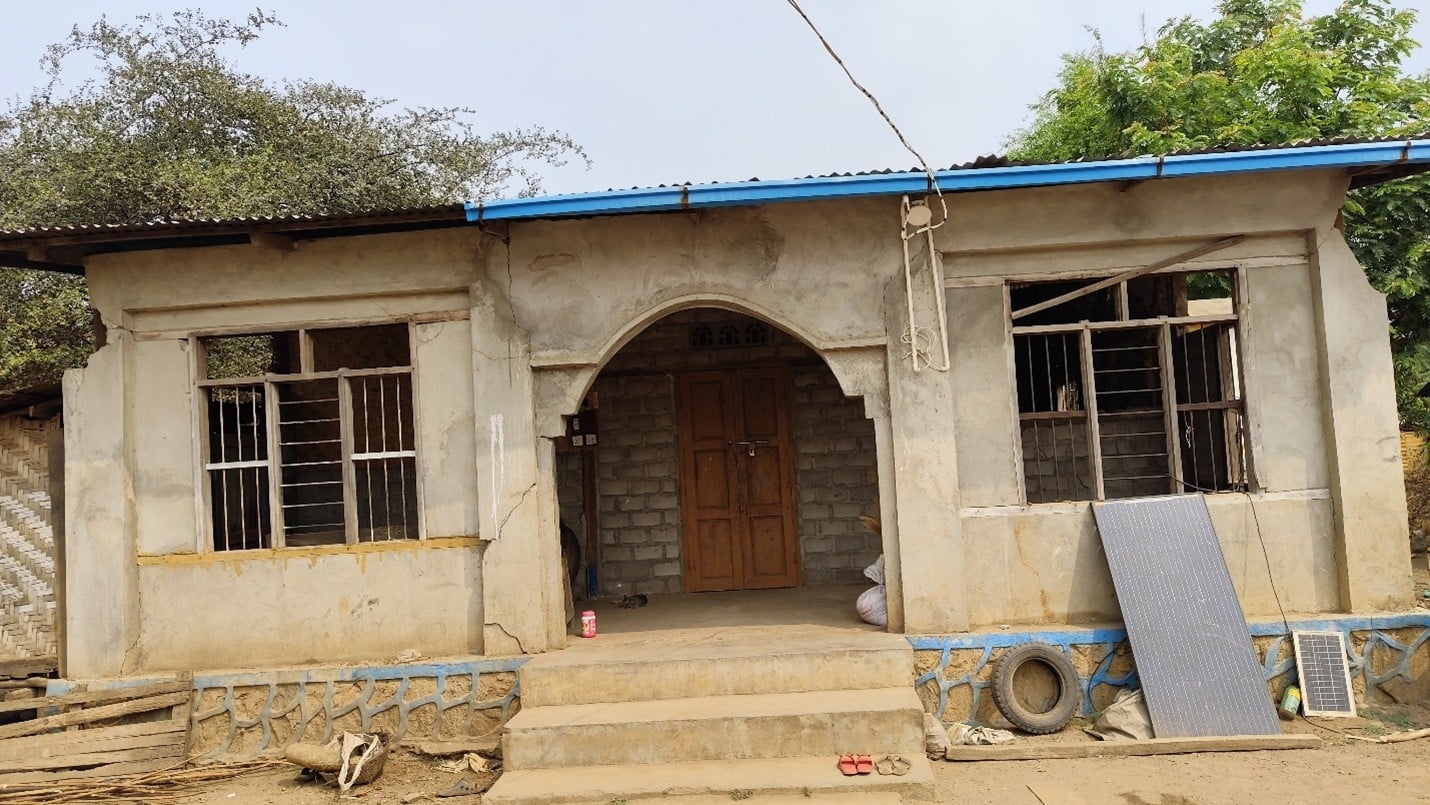
Following the devastating earthquake that struck central Myanmar in March 2025, RedR UK has published an Initial Learning Needs Assessment (LNA) examining technical capacity gaps and priority training needs related to post-earthquake damage assessment and building repairs.
The earthquake, which affected large areas along the Sagaing Fault, caused widespread damage to housing and community infrastructure, compounding existing vulnerabilities linked to conflict, displacement, economic hardship and limited technical capacity. The scale and complexity of damage, combined with severe constraints on skilled personnel, materials and funding, has placed enormous pressure on responders tasked with assessing damage and supporting safe, timely recovery.
Purpose of the LNA
Commissioned by RedR UK, this Initial LNA was designed as a qualitative, exploratory assessment, rather than a large-scale survey, reflecting the challenging access and operating conditions in Myanmar. Its purpose was to explore whether there is a shared and credible demand for training on damage assessment and repairs, and to identify:
- key technical capacity gaps,
- priority learning audiences,
- contextual constraints affecting practice, and
- indicative considerations for training design.
The assessment forms an evidence base to guide future training decisions and contribute to the development of more consistent, practical and context-sensitive technical approaches to post-earthquake recovery.
Methodology
The LNA was conducted between September and December 2025 and was based primarily on:
- Semi-structured Key Informant Interviews with over 20 national and international practitioners involved in the Myanmar earthquake response, including engineers, architects, programme managers, coordinators and technical advisors.
- A focused desk-based review of relevant tools, guidance and reference materials currently used or cited by responders.
- A remote co-creation workshop involving more than 40 participants from UN agencies, international and local NGOs, and private-sector specialists, aimed at validating findings and refining priorities for training and tool development.
While not statistically representative, the strong consistency of themes across interviews and workshop discussions provided confidence in the relevance of the findings.
Key Findings
The LNA highlights a clear and widely shared need for capacity strengthening in damage assessment and repairs in Myanmar. Key findings include:
- Significant technical capacity gaps in moving beyond rapid life-safety assessments towards informed decisions on habitability, repairability and prioritisation of repairs, particularly across Myanmar’s diverse and often non-engineered building typologies.
- Ongoing reliance on adapted ATC-20-style rapid assessment tools, which are essential for access decisions but provide limited guidance on incremental repairs and risk reduction.
- Severe shortages of skilled technical personnel at all levels – from engineers and assessors to supervisors, masons and carpenters – leading to critical repair decisions often being made by underqualified or overstretched actors.
- Major constraints on feasible repair solutions caused by degraded supply chains, price inflation and variable material quality, underscoring the need for training grounded in real-world conditions rather than idealised standards.
- Risks associated with fragmented and uncoordinated technical messaging, raising concerns about inconsistent or contradictory advice being given to affected households.
At the same time, the assessment identified important strengths, including strong motivation among local responders to learn and share experience, and valuable contextual knowledge held by Myanmar engineers and artisans that can be built upon through participatory training approaches.
Priority Training Needs
Based on the findings, two clear priority areas for capacity strengthening emerged:
- Advanced technical training for engineers, focused on post-earthquake damage assessment and incremental repair and retrofit approaches, primarily as professional development and preparedness.
- Hands-on, face-to-face training for non-engineer practitioners, including carpenters, masons and households, recognising the central role of self-recovery in Myanmar’s context.
In parallel, participants highlighted the need for a simple, visual and context-appropriate damage assessment methodology or tool, accessible to non-engineers, incorporating decision-making flowcharts tailored to Myanmar’s main building typologies, and developed through multi-actor collaboration to promote shared ownership and harmonised practice.