Learning Needs Assessment for Damage Assessments in Ukraine
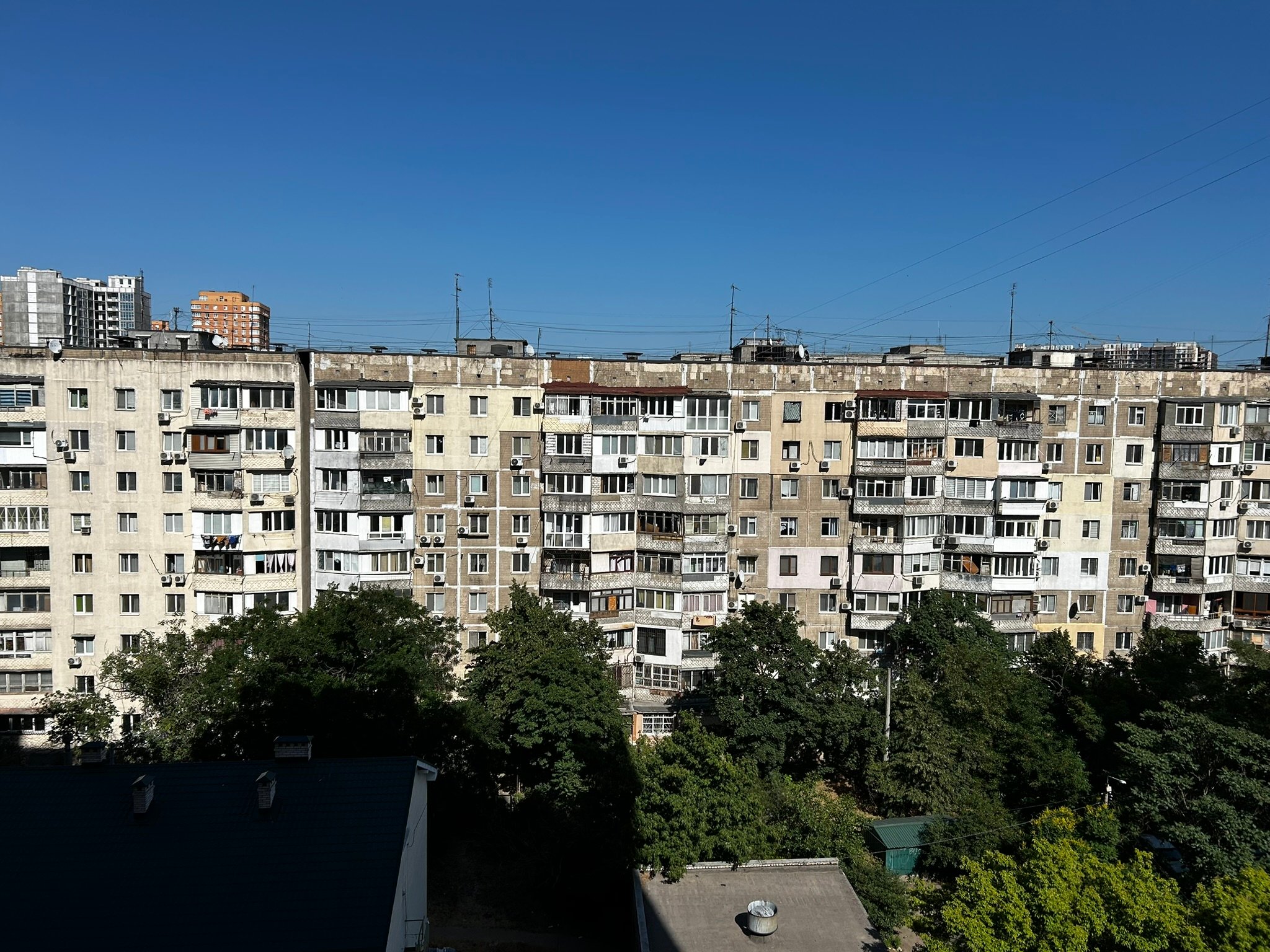
This Learning Needs Assessment identifies capacity gaps and learning needs among technical and non‑technical responders involved in damage assessments, repairs, and reconstruction activities in Ukraine.
Understanding these gaps is essential for developing context‑specific training programmes that support safe, technically sound, and effective decision‑making in an active conflict environment.
The LNA also assessed existing strengths among responders, enabling RedR to recommend how humanitarian partners can best leverage current capacity while addressing critical technical and operational gaps.
Using the findings to shape damage‑assessment training in Ukraine, RedR conducted this in‑depth Learning Needs Assessment to inform the adaptation of its damage‑assessment and reconstruction‑related training programmes in Ukraine.
The assessment focuses on the evolving needs of responders as the response moves beyond rapid classification towards repair, retrofitting, and demolition decision‑making.
The overarching questions this Learning Needs Assessment seeks to address are:
- What are the current capacity gaps and learning needs among responders involved in damage assessments in Ukraine?
- What capacity strengths already exist across technical and non‑technical roles?
- How can training better support complex, conflict‑specific damage‑assessment activities?
By understanding these learning needs and operational constraints, RedR can ensure that training is relevant, progressive, and aligned with real‑world practice.
Key findings
Priority learning needs identified include:
- Conflict‑specific technical skills, including blast effects on structures, load calculations, and retrofitting for blast resistance
- Advanced structural evaluation, repair, and demolition decision‑making
- Foundational construction knowledge and site safety for non‑technical responders
- Construction oversight skills, including quality assurance, cost estimation, and technical reporting
- Personal safety, security, and mental wellbeing in an active conflict environment
- Flexible, blended learning approaches that reflect responders’ limited availability and operational pressures