Expanding Access to Learning: New internet hubs for humanitarian responders in Sudan
Humanitarian responders in Sudan face significant practical barriers to accessing online learning opportunities. Since the conflict began in April 2023, Sudan’s communications infrastructure has been severely disrupted, with damage to telecommunications towers, electricity outages, fuel shortages and network congestion affecting connectivity across the country. [1]
These challenges can make it difficult for responders to reliably access online resources and opportunities. In June 2026, the Logistics and Telecommunications Cluster, formerly the Emergency Telecommunications Cluster, reported continuing severe telecommunications disruptions across Sudan and maintained connectivity services for around 1,700 humanitarian responders across 67 sites. [2] Against this backdrop, improving access to reliable connectivity can play an important role in making online learning more accessible to humanitarian responders.
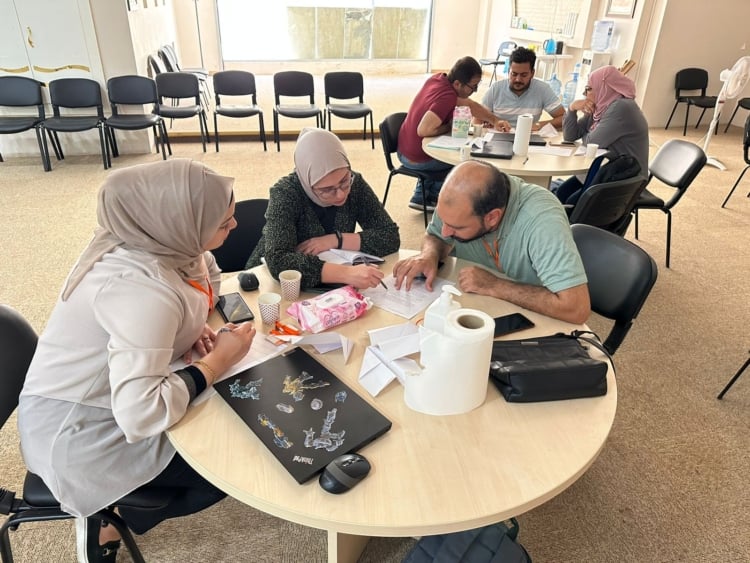
As part of RedR’s Strengthening Humanitarian Response in Sudan project, supported by Jersey Overseas Aid and the people of Jersey, we are working with local organisations to establish internet hubs that can help address some of these barriers. The project is expanding access to contextualised learning for Sudanese responders, including people working with national NGOs, community-based organisations and Emergency Response Rooms.
Creating Spaces to Access Learning
The idea behind the internet hubs is simple: learning opportunities should be accessible to people who might otherwise be excluded because they do not have the connectivity, equipment or suitable space needed to participate online.
Rather than establishing new facilities independently, RedR is working with two Sudanese organisations that already have a physical presence and strong networks in the areas the project aims to reach. Both organisations are contributing their own spaces and facilities, alongside basic support for participants. Their local networks will also help connect learning opportunities with people in their communities.
This locally rooted approach complements the wider aims of the project. RedR’s learning activities are seeking to reach underserved and remote areas while providing training that is contextualised for Sudan and available in Arabic.
The hubs will give participants designated places where they can access RedR’s online learning opportunities. In doing so, they are intended to remove a practical barrier to participation, rather than expecting every learner to have the same infrastructure available to them individually.
Reaching Different Parts of Sudan
The current hub network is being developed with two local partners to extend access across several states.
Volunteers National Organization for Development and Humanities Services (VNODHS) will support hubs through its presence in the states:
- South Darfur
- East Darfur
- Central Darfur
Initiatives for Peace & Sustainable Development Organization (IPSDO) will extend the initiative’s geographical reach across the following states:
- Khartoum
- Red Sea
- White Nile
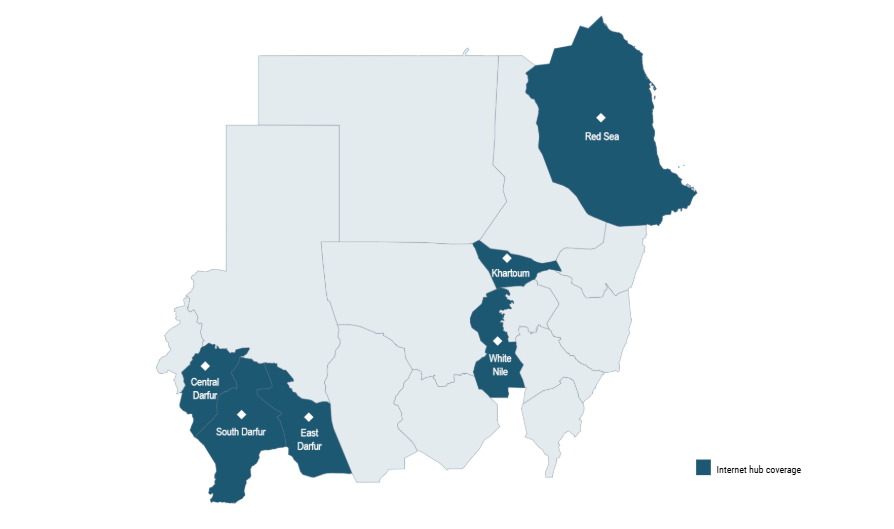
Together, these partnerships are designed to bring opportunities closer to learners and draw on organisations that already understand and work within their communities.
Local organisations are central to making the hubs work. Their local knowledge, relationships and networks will help connect learning opportunities with communities and extend the initiative’s reach, while their own resources and presence make learning more accessible in the places where they already work.
Over the next two blog posts in this series, each of the organisations supporting the internet hubs will be introduced in more detail. The blogs will explore their work and local presence, why they are well placed to support the initiative, and how their involvement is helping extend access to learning across Sudan.
[1] Emergency Telecommunications Cluster (ETC), Sudan: Country Profile, updated 1 October 2026.
[2] Logistics and Telecommunications Cluster (LTC), Sudan – Conflict LTC Situation Report (Telecoms Area) #41, reporting period June 2026.Against this backdrop, improving access to reliable connectivity can play an important role in making online learning more accessible to humanitarian responders.
This work is made possible with the support of Jersey Overseas Aid and the people of Jersey.