We use cookies

Please note that on our website we use cookies to enhance your experience, and for analytics purposes. To learn more about our cookies, please read our Privacy policy. By clicking “Accept Cookies” or by continuing to use our website you agree to our use of cookies.

The DRC Digital Humanitarian Academy
Advancing locally led humanitarian capacity through digital learning in the DRC
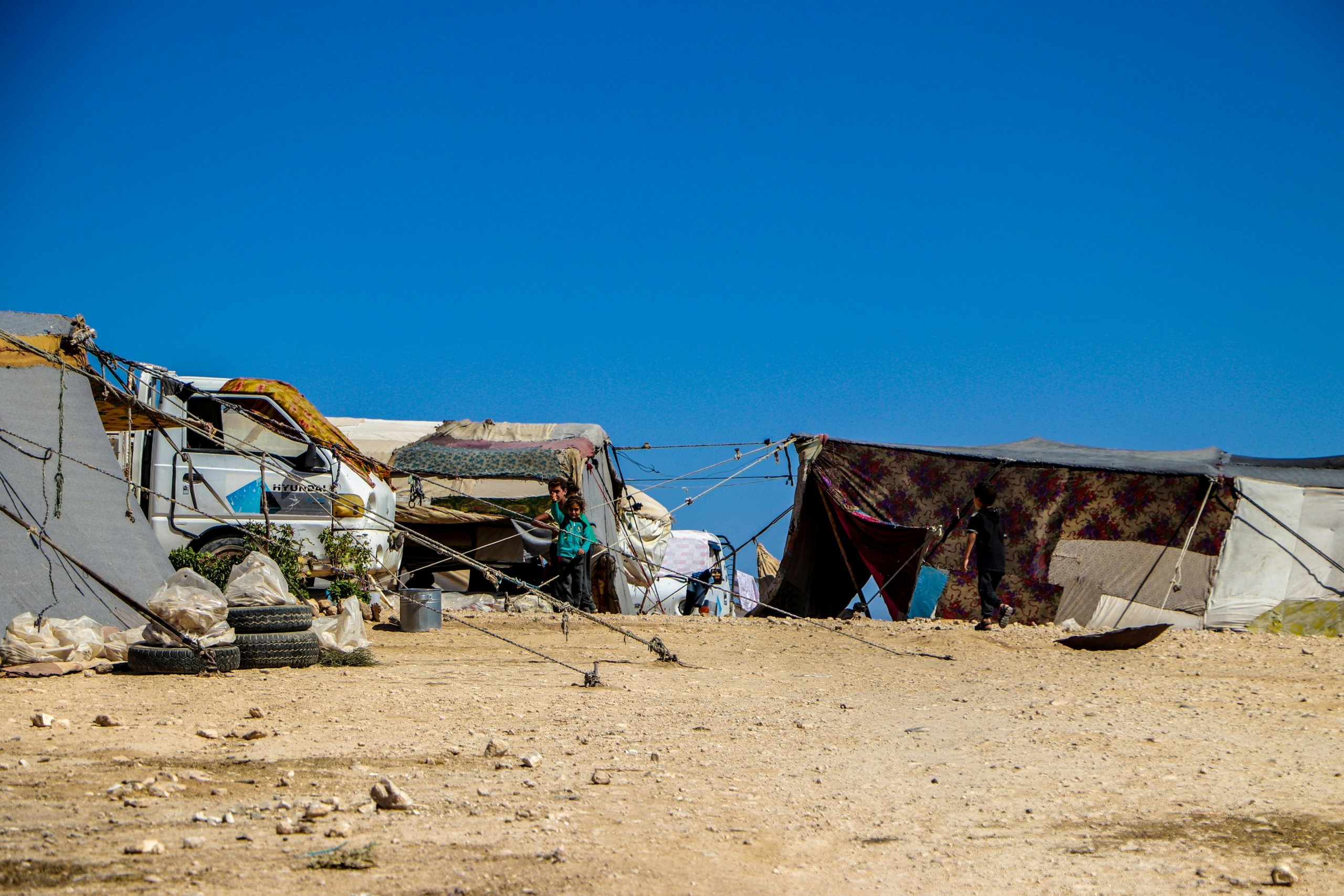
Stock image of tents in refugee camp.

Humanitarian Context

The Democratic Republic of Congo (DRC) is facing one of the world’s most complex and severe humanitarian crises, driven by protracted armed conflict, repeated displacement, and limited access to basic services. The United Nations Global Humanitarian Overview 2025 estimates 25.4 million people require humanitarian assistance. The crisis includes one of the largest internal displacement situations worldwide, with approximately 6.9 million internally displaced persons across the country due to ongoing armed violence and instability.


Persistent conflict, weak infrastructure, and cyclical displacement contribute to widespread vulnerability, straining humanitarian response capacity and deepening protection and livelihood challenges for millions of Congolese.

  • 0

    million people require humanitarian assistance

  • 0

    million internally displaced persons

The Digital Humanitarian Academy

Local and national NGOs across the Democratic Republic of Congo face persistent barriers to accessing relevant, affordable, and context-specific humanitarian training, particularly in regions with limited connectivity and in local languages. To address these challenges and strengthen locally led response, RedR is partnering with Data Friendly Space and Sphere to deliver a six-month initiative that will establish the Digital Humanitarian Academy for CONAFOHD, the national network representing over 500 Congolese NGOs.  


The Academy will provide a fully offline-capable, multilingual digital learning platform accessible in French, Lingala, and Congo Swahili. It will offer personalised learning pathways, an AI assistant to guide learners, and digital certifications to help strengthen NGOs’ visibility to donors.  

About the Consortium

Within the consortium, RedR leads the development of three contextualised self-paced modules on resource mobilisation alongside delivery of two facilitated online cohorts on proposal writing. These modules are designed specifically for low-bandwidth environments and reflect the legal, operational, and coordination realities of the DRC. These services are supplemented by contextualised trained on humanitarian quality and accountability standards delivered by Sphere, ensuring learners gain competencies aligned with global frameworks. Meanwhile, DFS leads the design and build of the digital platform, developing the offline-capable infrastructure, multilingual interface, and administration tools, while facilitating the technical handover so that CONAFOHD can manage and expand the platform independently.  


Sustainability is built into the programme from the outset and CONAFOHD is actively involved in platform design, content validation, and testing throughout development. A structured handover process, including training for at least 10 CONAFOHD staff and comprehensive documentation will ensure the network is fully equipped to maintain and grow the Academy upon project completion. 


The Digital Humanitarian Academy represents a major step forward for locally led action in the DRC. By combining offline accessibility, multilingual delivery, contextualised learning, and nationally held ownership of the platform, the initiative strengthens organisational capacities of hundreds of local NGOs. It also aims to enhance their visibility to donors and address persistent barriers to direct funding, thereby supporting long-term institutional resilience across CONAFOHD’s membership.
